If you have
People re-key data between tools that do not talk to each other.
You get
I connect the systems and make the handoff a job with retries and an audit trail.
Backend / systems engineer · Lahore, open to remote roles
Workflows that span systems that do not talk to each other. I make them reliable, and add AI where it helps.


Mubashir RehmanLahore · UTC+5
Now
Lead Software Engineer at TransData, leading five engineers.
Noise in, boring out.
Pick the problem that sounds like yours.
If you have
You get
I connect the systems and make the handoff a job with retries and an audit trail.
If you have
You get
I build the AI layer on top of the system of record, not a second copy of it.
If you have
You get
I find what breaks between the demo and real traffic, and fix it at the root.
Proof: A production AWS backend →
If you have
You get
I build ingestion, search and alerting that says why it fired.
If you have
You get
I trace the numbers back to their source until they add up.
Proof: An operations console for a healthcare integration engine →
The same four steps, every time. One real case.
Something looks plausible but wrong.
An insurance carrier count on a screen I was redesigning read 80, and a reviewer model doubted it.
Follow the number back to its source.
It was the exact sum of several tenants' rows. The query had no tenant filter, at a call site an earlier leak fix had missed.
Fix the root, not the symptom, then prove it.
I added the filter and checked it against the isolation tests.
Write down what to check next time.
Rule 1: Read the number that does not add up.
From an unclear ask to something shipped. Three real cases.
Write down what the client means, not just what they said.
Turn it into numbered requirements. Mark what is still open.
Keep the architecture stable while decisions are still pending.
A working demo the client can react to, traced to the requirements.
Production, documentation, and a codebase someone else can own.
The ask
A SaaS that turns public filings into sales-ready leads. Requirements arrived in rounds.
What shipped
Three decisions stayed open, so I designed around them. Every requirement ID traces to a screen.
The ask
Automate expense claims inside the ERP. Then the goal moved to procurement for two companies.
What shipped
I reused the same agent layer for the new goal instead of starting over.
The ask
Turn chatter from Telegram, Discord and X into something searchable, with alerts.
What shipped
Built so the client's own team could take it over, then handed over at their request.
Each step added something I still use.
Android and web games in Unity and PlayCanvas.
Added: First code that shipped to users
Undergraduate labs for three semesters, graduate Advanced Operating Systems for two.
Added: Explaining systems from the bottom up
Promoted about three months in. Led four engineers on drone-control software in C++ and Qt/QML.
Added: Leading engineers on real-time software
Backend, AI and infrastructure across healthcare, ERP and AI products. Co-authored a peer-reviewed Springer paper.
Added: Owning production systems end to end
Leading five engineers. Took an AI voice front desk for dental clinics to production in September.
Added: Taking AI from demo to production
Systems I have had to understand.
Ownership · August 2026 to present
Took an AI receptionist for dental clinics from AI-scaffolded code to production, with three voice providers and per-practice tenant isolation.
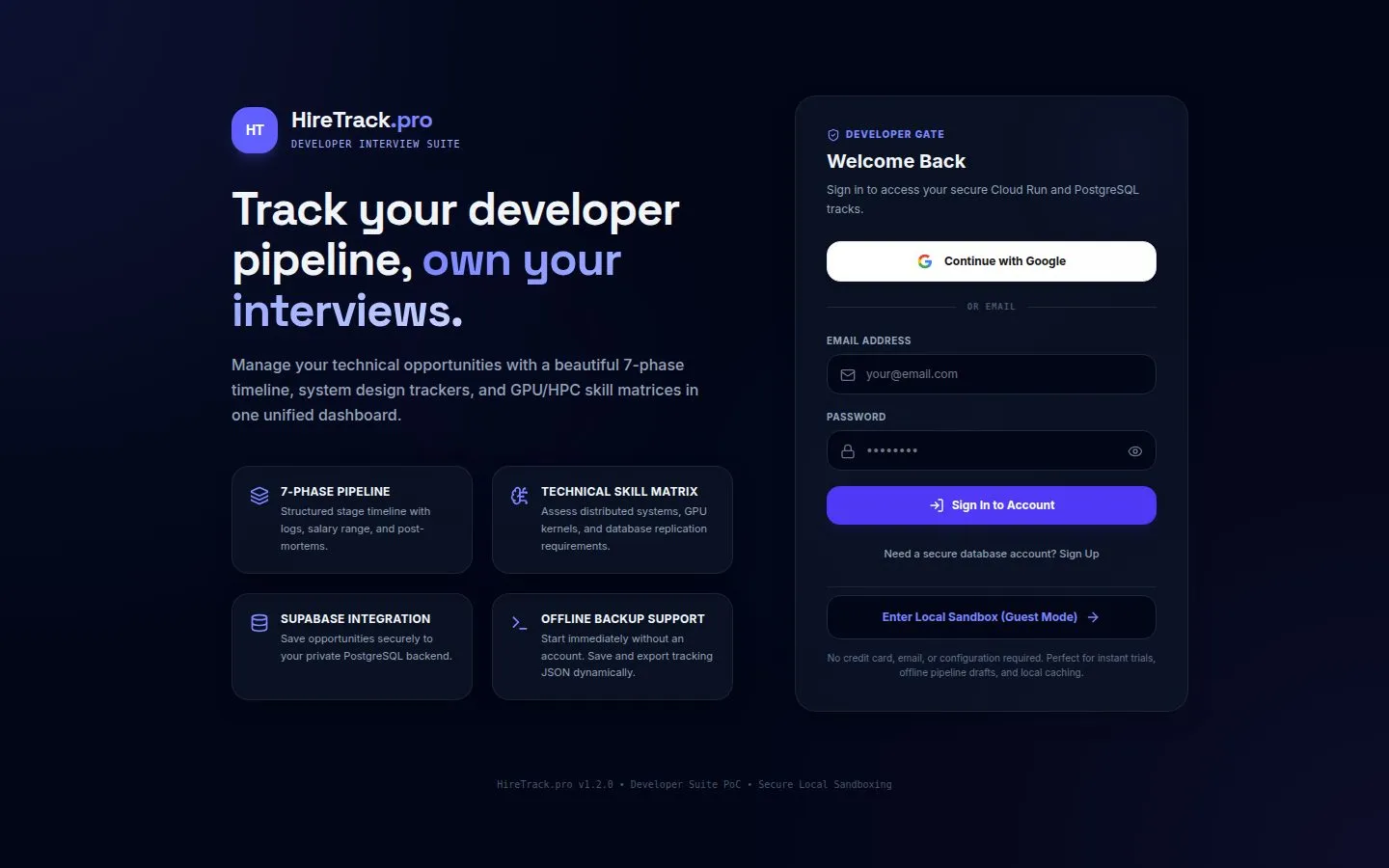
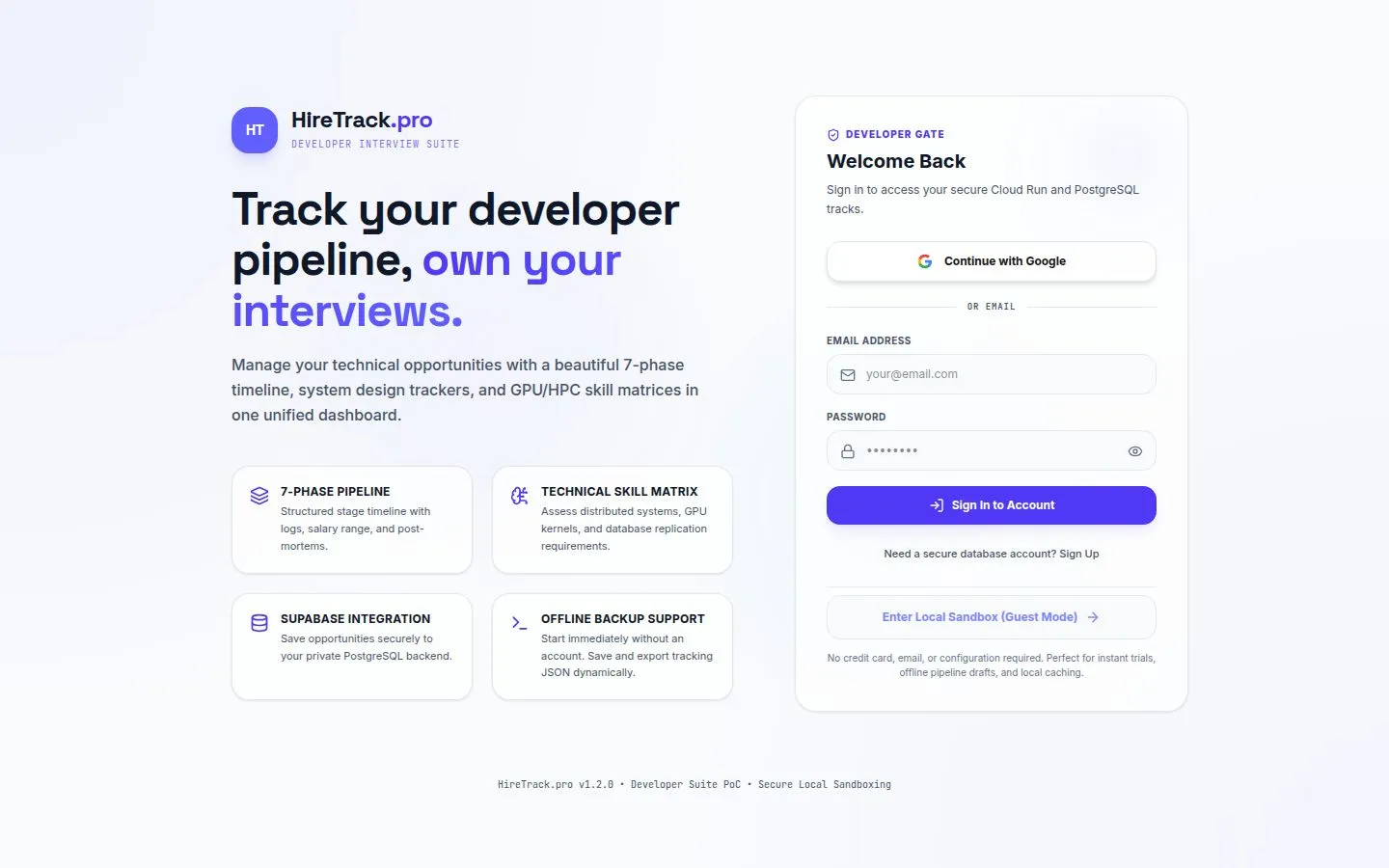
Open source · From June 2026
Built an open-source, offline-first tracker that moves applications through a fixed pipeline and tailors résumés with a deterministic-first LangGraph flow.
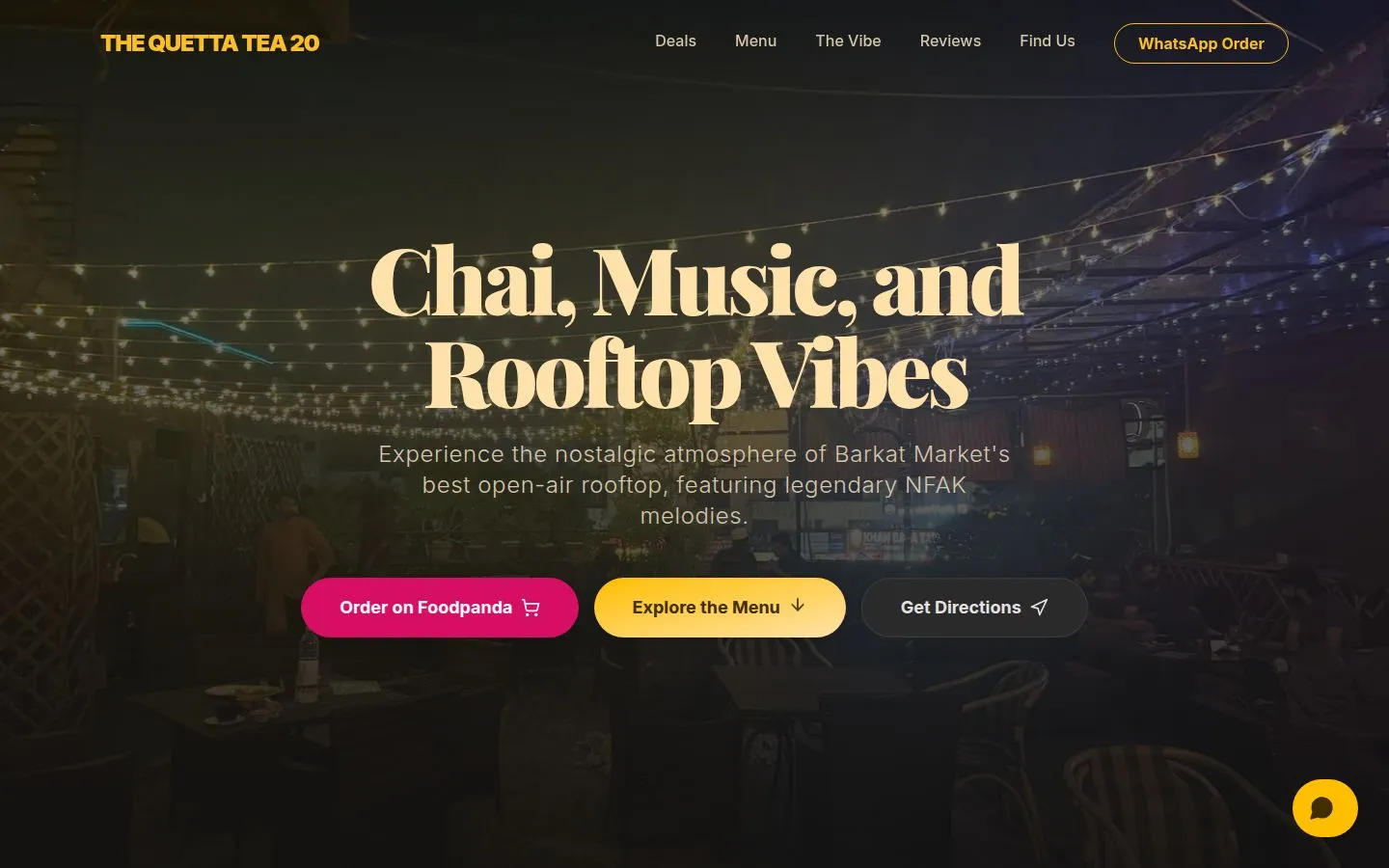
Built for a café · 2026
Astro site for a Lahore café; desktop PageSpeed 100 for performance, accessibility and SEO.
Systems · 2025 to 2026
Built a client backend alone: it ingests Telegram, Discord and X, summarises with AI, searches semantically and raises alerts.
I wrote 154 of the 155 commits, then handed the backend over at the client's request.
What I have used to ship, grouped by where it sits in a system.
Contact